
By Saleem Mubarak
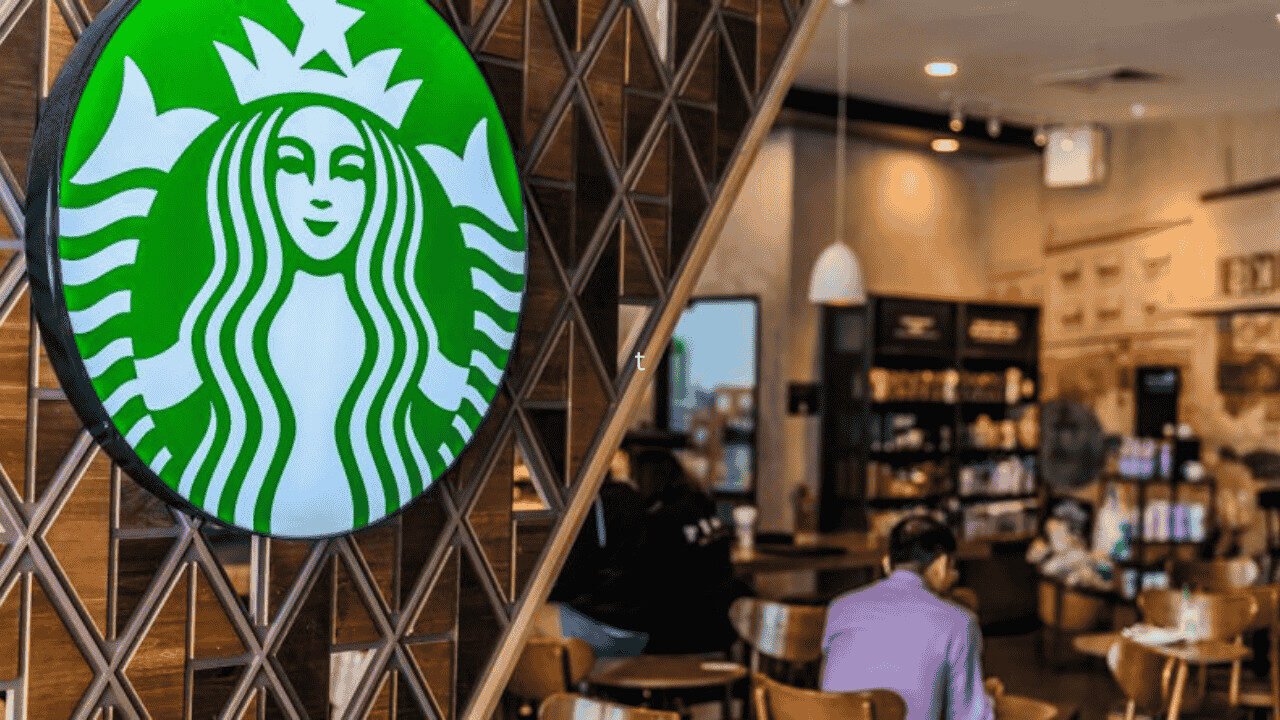
Starbucks surprised New Yorkers by shutting dozens of stores across the city. The move is more than just a business decision. It affects customers, baristas, landlords, and even rival food shops.
The closures show a bigger shift in how urban coffee and food businesses operate.
Independent Coffee Shops Eye Opportunities
With Starbucks leaving, local cafés and small coffee chains see a chance. Many of the closed stores were in busy spots near transit or shopping areas.
That leaves a prime location empty. Independent operators can move in, offer local flavor, lower prices, and maybe attract loyal neighborhood customers.
New coffee models are also growing. Small grab-and-go kiosks, specialty roasters, and mobile coffee trucks are becoming more common.
Starbucks itself is focusing on fewer but higher-quality, experience-focused stores. In quieter neighborhoods, independents may have more room to grow.
Beyond Coffee: Food Options Shift
Starbucks isn’t just coffee. Their stores sell sandwiches, pastries, and breakfast items. Now, people may turn to fast-casual chains, local delis, or delivery apps for quick meals.
Food halls and ghost kitchens might try filling the gaps in busy areas, like transit hubs and office districts.
Labor Issues Add Complications
The sudden closures have caused tension with landlords and city officials. New York law says workers should be offered transfers to nearby stores. Starbucks has been asked to explain how it will comply.
Employees may get severance pay or relocation options. But uncertainty remains, especially in unionized locations or expensive neighborhoods where alternatives are limited.
Starbucks’ Gamble
For Starbucks, this is a risk. Closing underperforming stores lets them focus on fewer, more profitable locations. But losing too many stores could hurt brand visibility and upset regular customers.
These closures aren’t just a retreat—they’re a reset. Starbucks is shrinking its footprint but aiming for a stronger presence in key areas. This change tests the city’s food ecosystem.
Can local cafés, delivery services, and new concepts fill the void? Or will Starbucks’ exit open the door for new players to reshape New York’s coffee and food scene?
Author Profile

-
The writer is a real estate journalist specializing in all types of New York City properties, including luxury residences, commercial spaces, and homes.
He also writes humorous articles about real estate, investors, and realtors.
Latest Posts
 BlogDecember 15, 2025Houston Real Estate 2026: Growth and Hotspots Ahead
 BlogDecember 3, 2025Why Houston Real Estate Investing Is Surging in 2026
 BlogNovember 29, 2025Real Estate Market Insights: Why Every Call Matters
 PerspectiveNovember 20, 2025Things to do in New York without real estate agents