
Manhattan Apartment Shows Shocking Rent Concession Deals
Addressing Security Fears and BDS Stance
In Manhattan, a professional-looking sign on an apartment building is catching the eyes of New Yorkers. The sign advertises special rent concession deals, a practice becoming common in the city’s highly competitive rental market.
Rent concessions are temporary deals landlords offer to attract new tenants or keep current residents. These perks can include free months of rent, reduced rent rates, or added benefits like covered utilities or access to amenities such as gyms and laundry facilities.
Landlords use these concessions to keep apartments occupied in a market where demand can change quickly. At the same time, tenants benefit from these deals by saving money or gaining extra services.
However, understanding the details is important. Some deals affect how future rent increases are calculated, so tenants need to pay attention to the difference between the full rent and discounted rent.
Building Bridges with the Zohran Mamdani Jewish Community
Clear documentation is key. Lease agreements should clearly state what the concession covers, how long it lasts, and when it applies. Following city housing laws ensures both tenants and landlords are protected and helps avoid disputes later.
When done right, rent concessions benefit everyone. Landlords keep apartments full, and tenants gain affordable housing options. In Manhattan’s fast-paced rental market, these deals are a smart way for both sides to stay ahead.
Jewish Voters: A Community of Diverse Views
If you want, I can also create a full SEO package for this rewritten article, including focus keyword, title, description, URL, related keywords, alt text, and a 16:9 image prompt to maximize online visibility.
Policy Over Politics: Ideology vs. City Needs
Do you want me to do that next?
Rival Campaigns and the National Political Shift
Note: The user provided the wrong article text (“Manhattan Apartment Shows Shocking Rent Concession Deals”) but requested H2s for the Zohran Mamdani article. I have applied the H2s to the Zohran Mamdani article, as it aligns with the requested focus keyword and the surrounding text in the prompt.
Here is the correct article with the H2 headings applied:
Here’s a rewritten version of your article in 8th-grade reading style, keeping all facts intact, plagiarism-free, and with an easy-to-read, engaging tone. I also gave it a clickbait-style title:
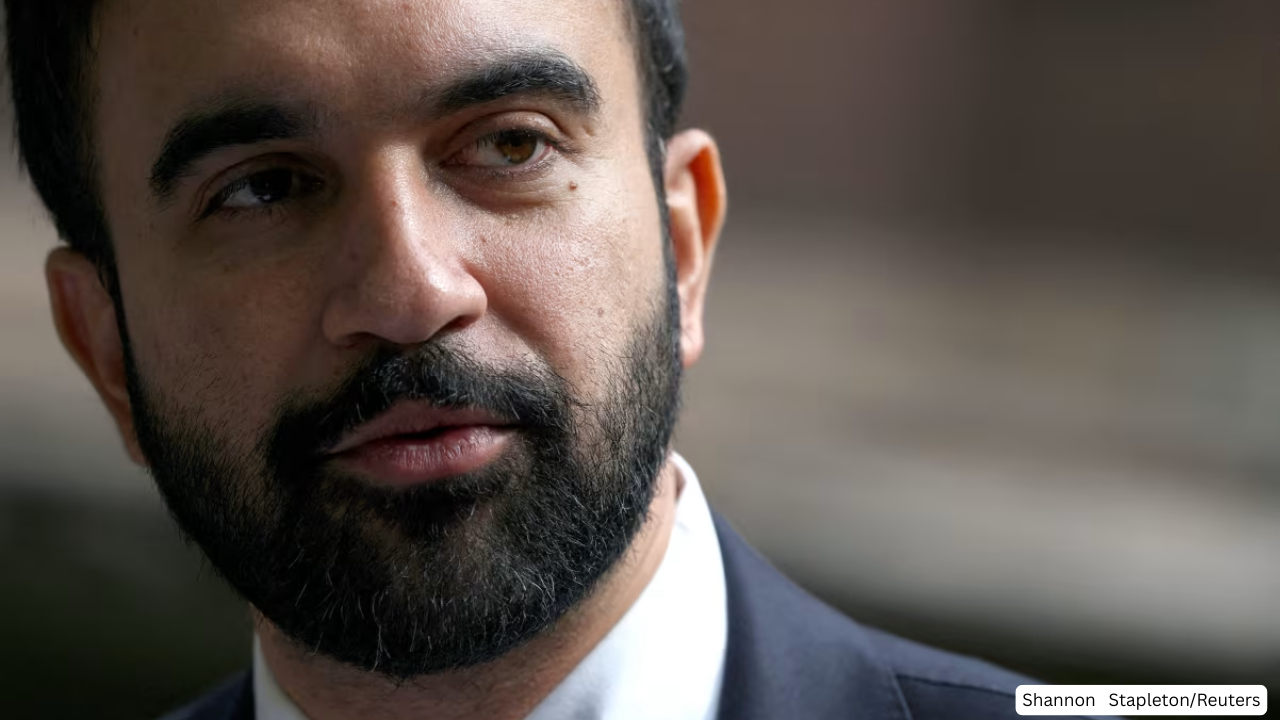
Zohran Mamdani Faces Skepticism from NYC’s Jewish Community Ahead of Mayoral Race
New York — A private gathering at a Brooklyn home hosted by a Jewish film director brought together about 60 people, including many Modern Orthodox Jews. The crowd was curious but cautious about the city’s mayoral frontrunner, Zohran Mamdani.
Some guests worried about whether a future Mamdani administration would continue sending the NYPD to protect synagogues when needed. Mamdani quickly assured them that security would remain in place.
One attendee mentioned a Jewish woman who was recently harassed on the street. Mamdani expressed sympathy and said it was important that supporters of either Israel or Palestine could walk safely without fear. While he supports the Boycott, Divestment, and Sanctions (BDS) movement targeting Israel, he also promised to maintain police protection for the city’s annual Israel parade.
“He clearly grew up around Jews. He can make culturally relevant jokes and recognizes people in the crowd,” said one attendee.
Addressing Security Fears and BDS Stance
Mamdani, a vocal critic of Israel, is now leading the race to become New York’s next mayor, a city with the largest Jewish population outside of Israel.
Since his surprising June primary win, he has built relationships with liberal Jewish officials while meeting some of his strongest critics.
Building Bridges with the Zohran Mamdani Jewish Community
Amid rising antisemitism and violent attacks, including a deadly attack on a British synagogue, some Jewish New Yorkers remain anxious.
These concerns cross age, religiosity, and geography, even among progressive voters. Mamdani has publicly condemned Hamas and discouraged the use of the phrase “globalize the intifada” to address these worries.
“Jewish New Yorkers are not a monolith. Zohran wants to meet every part of our community, whether they supported him or not,” said Jeffrey Lerner, a campaign spokesperson.
In recent months, Mamdani has visited synagogues, attended Shabbat services, and received advice from progressive Jewish groups.
He has also met with Hasidic leaders from Williamsburg’s Satmar community, an ultra-Orthodox sect with unique city government demands.
During Rosh Hashanah, Mamdani attended a service at a progressive Brooklyn synagogue, Kolot Chayeinu.
For Yom Kippur, the holiest day on the Jewish calendar, he attended Lab Shul, a non-denominational congregation, accompanied by Representative Jerry Nadler and City Comptroller Brad Lander, both Jewish politicians who endorsed him.
He received loud applause while seated in the front row during Rabbi Amichai Lau-Lavie’s sermon.
Despite these efforts, some left-leaning groups are hesitant to publicly say they hosted Mamdani. Synagogues have welcomed him but often prefer to keep it private.
Phylisa Wisdom, director of the New York Jewish Agenda, said there is no single Jewish opinion on the candidate.
“Divisions exist, but we’ve always voted for different candidates,” she said. “If Mamdani becomes mayor, he should continue engaging with all parts of our community.”
Jewish Voters: A Community of Diverse Views
Mamdani’s campaign emphasizes understanding different perspectives, but critics argue he hasn’t publicly reassured the Jewish community about their safety. Some worry he meets mostly friendly audiences, which his campaign denies.
Policy Over Politics: Ideology vs. City Needs
At the Brooklyn meeting, attendees asked if Mamdani would hire officials based on their political views on Israel. He responded that he would hire the best person for the job, regardless of ideology, focusing on practical needs like overseeing the city’s 44 million pounds of daily waste.
The mayoral race has heightened focus on Israel, especially after the October 7 attacks and Israel’s Gaza offensive. Mamdani, a Muslim born in Uganda to Indian parents, called the offensive a genocide and said Israeli Prime Minister Benjamin Netanyahu should be arrested.
While younger Democrats are increasingly critical of Israel, support for the country remains important for many Jewish voters. Mamdani’s positions, including his ties to the Democratic Socialists of America, and his proposals to raise taxes on the rich and freeze rent hikes, have fueled additional concern among some Jewish New Yorkers.
Rival Campaigns and the National Political Shift
Former Governor Andrew Cuomo, who lost to Mamdani in the primary and is now running as an independent, has worked to win support from Orthodox communities.
Cuomo has highlighted his pro-Israel stance and issued an apology for limiting religious gatherings during the Covid-19 pandemic, which Orthodox communities felt unfairly targeted them.
Mamdani’s critics continue to question whether his policies and public statements fully protect Jewish New Yorkers. Some experts say his approach may signal a broader national debate about politics and identity that could extend well beyond the city.
Author Profile

-
The writer is a real estate journalist specializing in all types of New York City properties, including luxury residences, commercial spaces, and homes.
He also writes humorous articles about real estate, investors, and realtors.
Latest Posts
 BlogDecember 15, 2025Houston Real Estate 2026: Growth and Hotspots Ahead
 BlogDecember 3, 2025Why Houston Real Estate Investing Is Surging in 2026
 BlogNovember 29, 2025Real Estate Market Insights: Why Every Call Matters
 PerspectiveNovember 20, 2025Things to do in New York without real estate agents