
NEW YORK–For decades, some of America’s wealthiest families clung to their sprawling real estate portfolios as if they were sacred heirlooms. But for the first time, they’re letting go.
The Wall Street Journal reports that plunging commercial property values in New York are forcing even the most deep-pocketed landlords to rethink the “never sell” mantra. One striking example: William Rudin, who inherited a vast real estate empire from his grandfather and was warned never to part with it, sold off several prime properties last year.
So what’s behind the shift?
The Office Problem No One Can Ignore
At the heart of the crisis is office space. The pandemic permanently changed how companies work, and the return-to-office push has been slow, at best.
New York’s office vacancy rate is stuck at 15.2%. In San Francisco, it’s even bleaker at 35.4%. Empty offices mean falling rents, and falling rents mean shrinking property values. For longtime real estate dynasties, the math just doesn’t work anymore.
This raises a big question for investors: Is now the time to scoop up undervalued commercial properties—or to run in the opposite direction?
Not All Commercial Real Estate Is a Dead End
Here’s the nuance: commercial real estate is a massive, diverse market. Office towers may be hurting, but other sectors are thriving.
Some companies are pulling workers back to their desks, and even New York’s mayor has personally met with CEOs to push for more in-office days. But remote work isn’t going anywhere, and that means offices remain risky.
Other sectors, however, are showing resilience. Retail spaces anchored by grocery stores and essential businesses have been strong performers, thanks to steady demand.
Even in the age of online shopping, consumers still want to handpick their produce—because no one trusts the internet to pick out the perfect avocado.
For investors, that stability is gold. Necessity-driven retailers like Kroger, Walmart, and Whole Foods are considered recession-resistant, providing both growth and inflation protection.
When Empty Offices Become Apartments
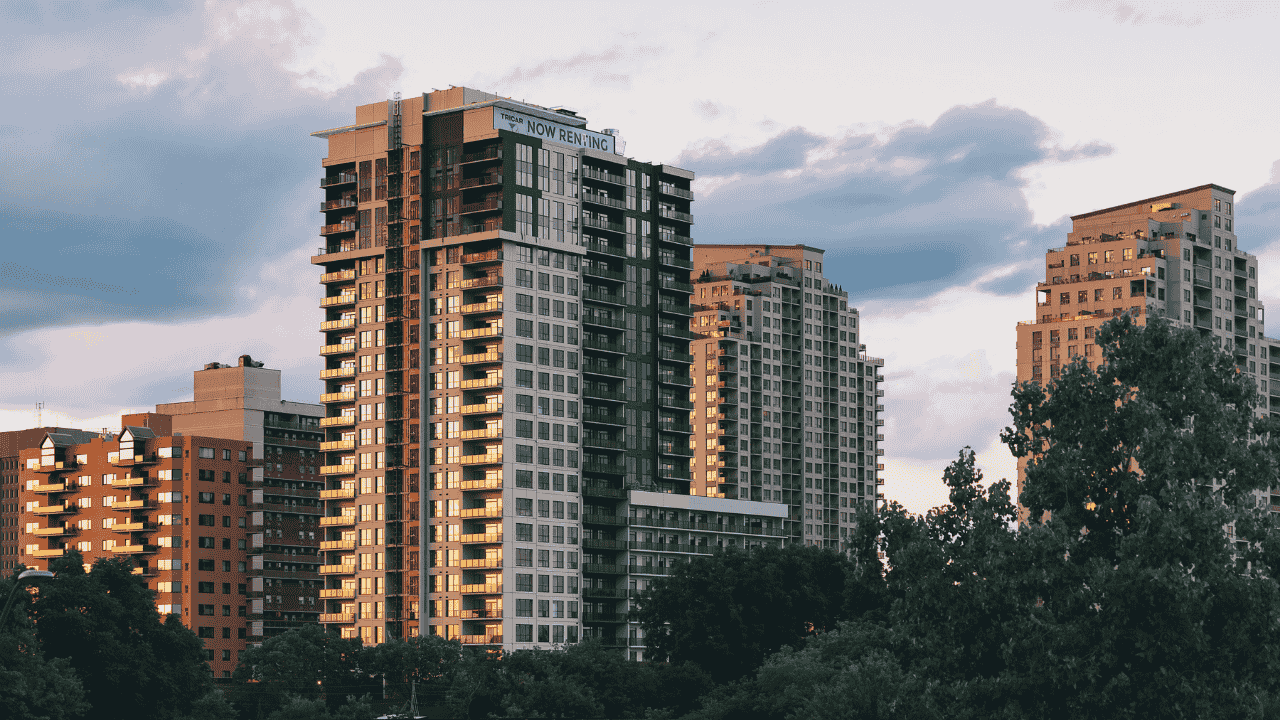
There’s also another twist: many underused office buildings in New York are being transformed into apartments. And demand for housing couldn’t be higher.
New York City’s rental vacancy rate is at a 50-year low—just 1.4%. Rents jumped 4% in the past year and now sit 69% above the national average.
The conversion trend isn’t just helping landlords cut losses; it’s opening up new investment opportunities for everyday investors. Thanks to crowdfunding platforms like Arrived (backed by Jeff Bezos), people can buy shares of rental properties with as little as $100, without ever paying the landlord.
The Bottom Line
The world William Rudin inherited has changed. What was once the crown jewel of American wealth—commercial office towers—is now a question mark.
But where one door closes (sometimes literally, in the case of office lobbies), another opens.
From grocery-anchored shopping centers to the booming rental market, real estate is far from dead. It’s just evolving. For investors, the choice is clear: adapt with the times, or risk being left behind.
This article is for informational purposes only and should not be taken as financial advice. The content is provided ‘as is,’ with no guarantees of accuracy or outcomes.
Author Profile

-
The writer is a real estate journalist specializing in all types of New York City properties, including luxury residences, commercial spaces, and homes.
He also writes humorous articles about real estate, investors, and realtors.
Latest Posts
 BlogDecember 15, 2025Houston Real Estate 2026: Growth and Hotspots Ahead
 BlogDecember 3, 2025Why Houston Real Estate Investing Is Surging in 2026
 BlogNovember 29, 2025Real Estate Market Insights: Why Every Call Matters
 PerspectiveNovember 20, 2025Things to do in New York without real estate agents